Margherita Bassi is a freelance journalist and trilingual storyteller. Besides Gizmodo, her work has appeared in publications including BBC Travel, Smithsonian Magazine, Discover Magazine, Live Science, Atlas Obscura, and Hidden Compass.
Follow Margherita Bassi
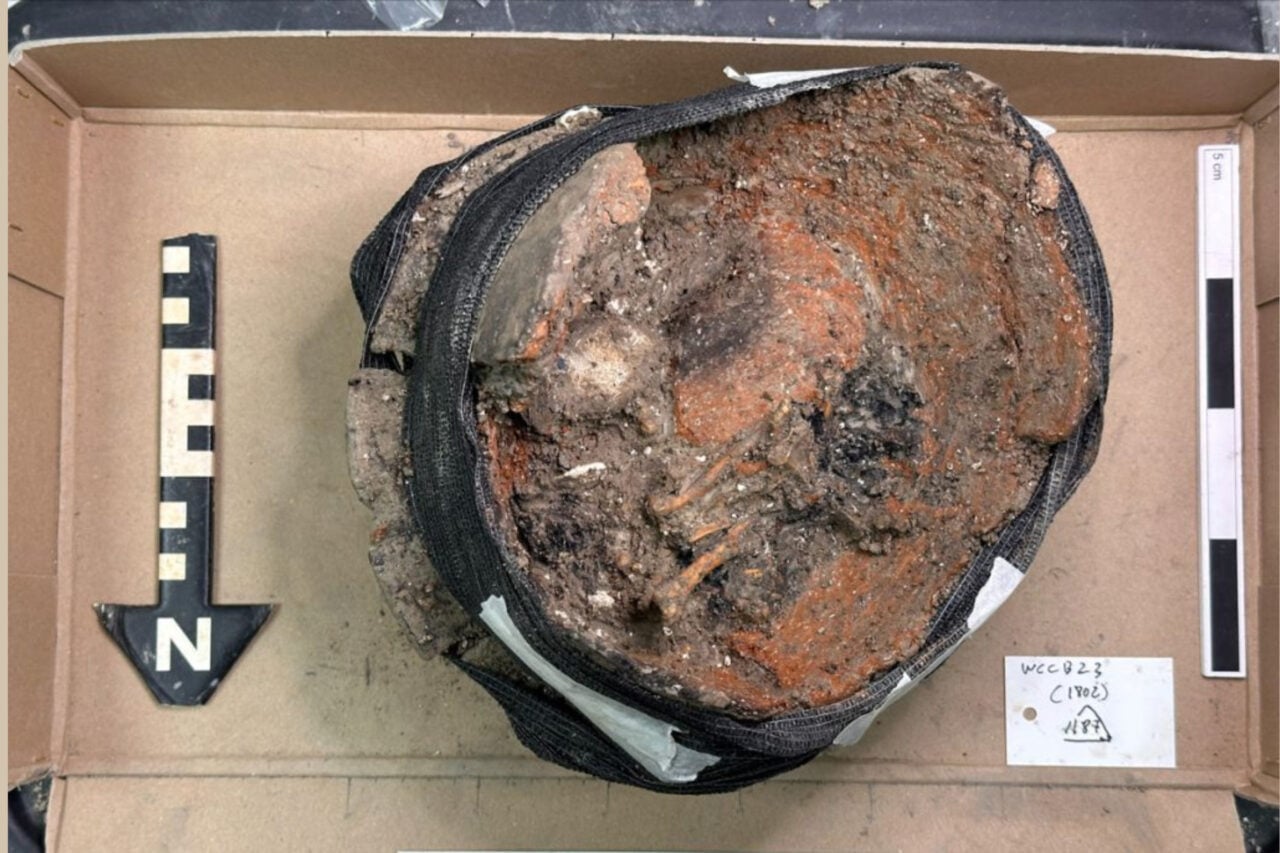
The 1,600-year-old burial may be the first of its kind found in Britain.
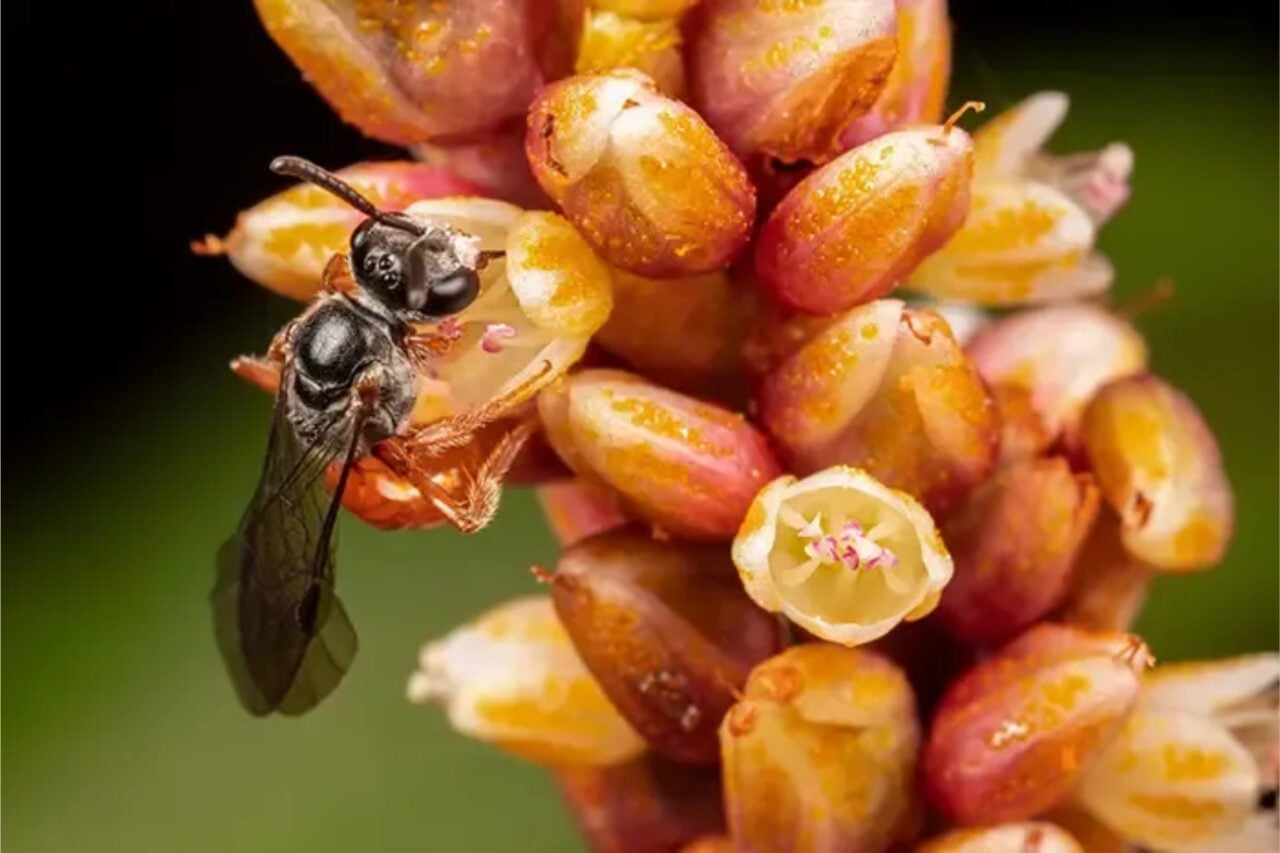
Islands are just 6% of Earth’s land, but they host roughly 20% of the planet's known bee species.
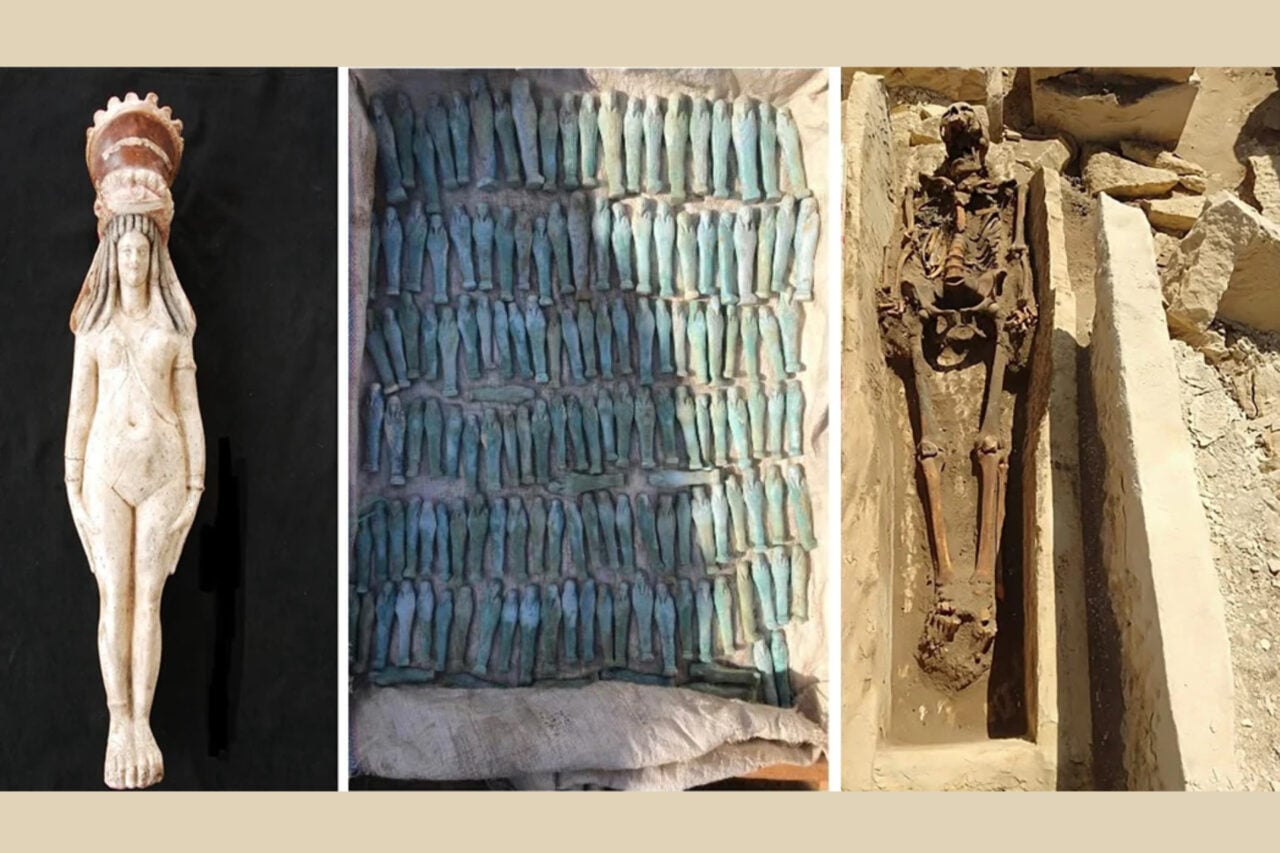
The team also found jewelry, statues, and two falcon burials.
Creatine is having a campus moment—and gym culture on social media may be fueling it.
Overflooded lakes of cow waste can spread pathogens into communities and the environment.
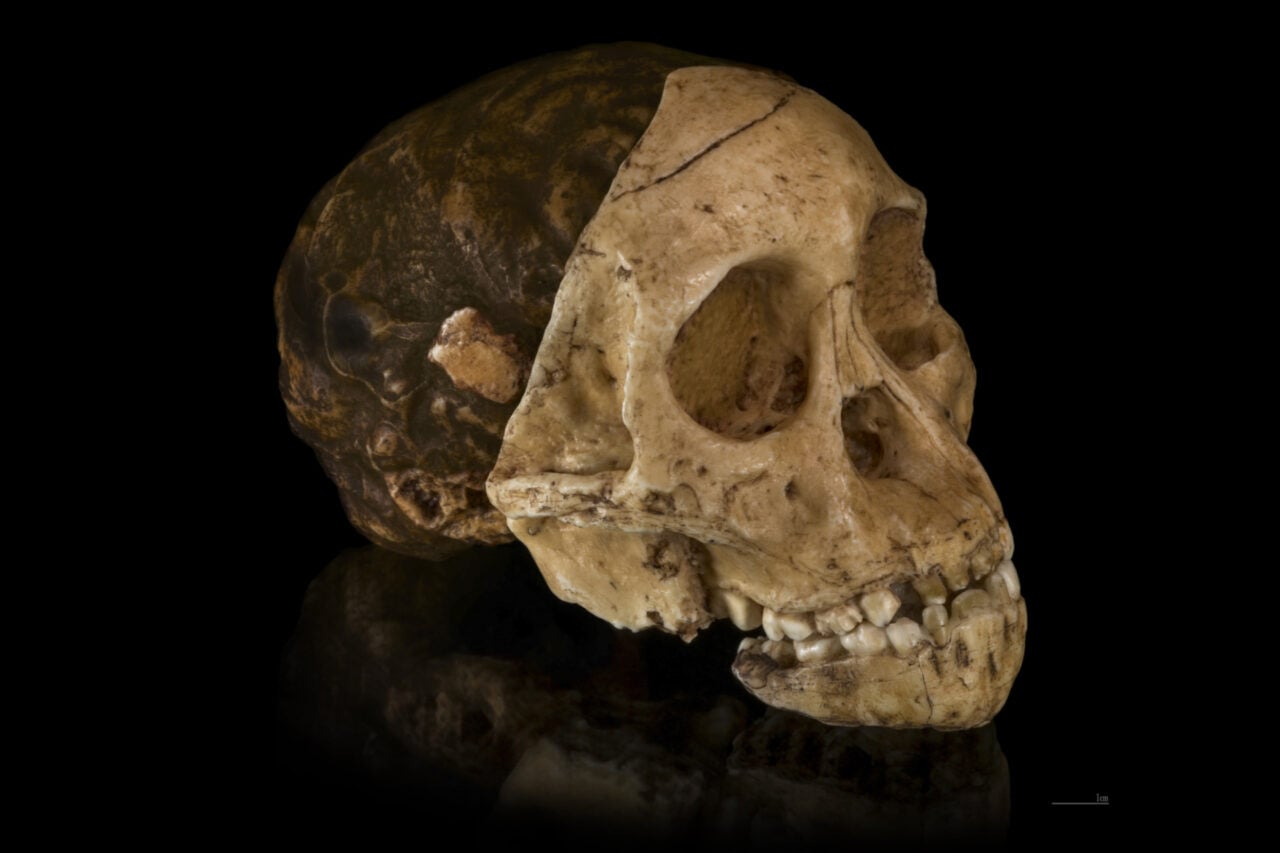
The human family tree 'was a chaotic, tangled bush driven by climate shifts,' researchers said.
'The mercury levels for these two sediment cores came back just higher than anything we could find.'
1,500-year-old burials include possible Germanic chieftains and horses buried with their harnesses.
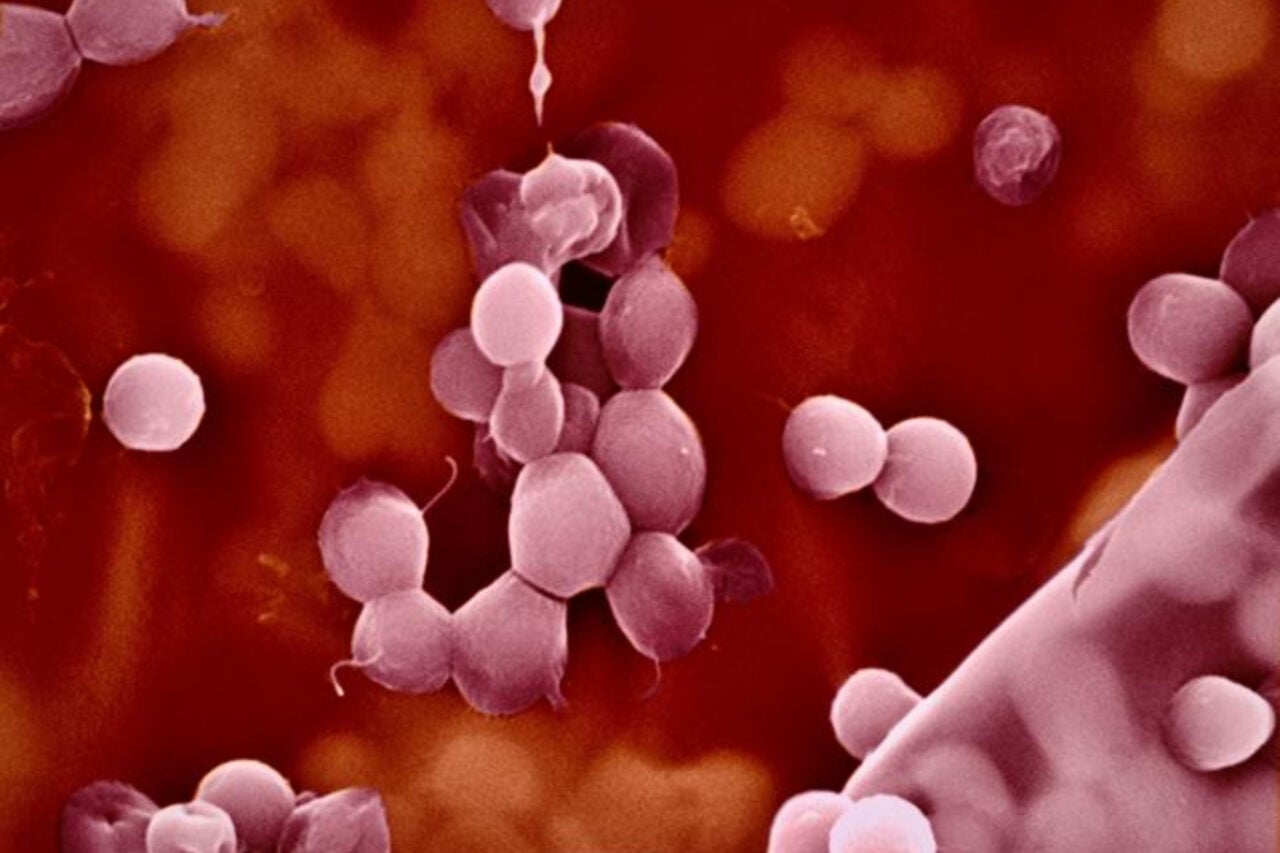
The microorganism grew despite being stuck in oxygen-free, carbon-rich, low-pressure, and extremely salty environments.
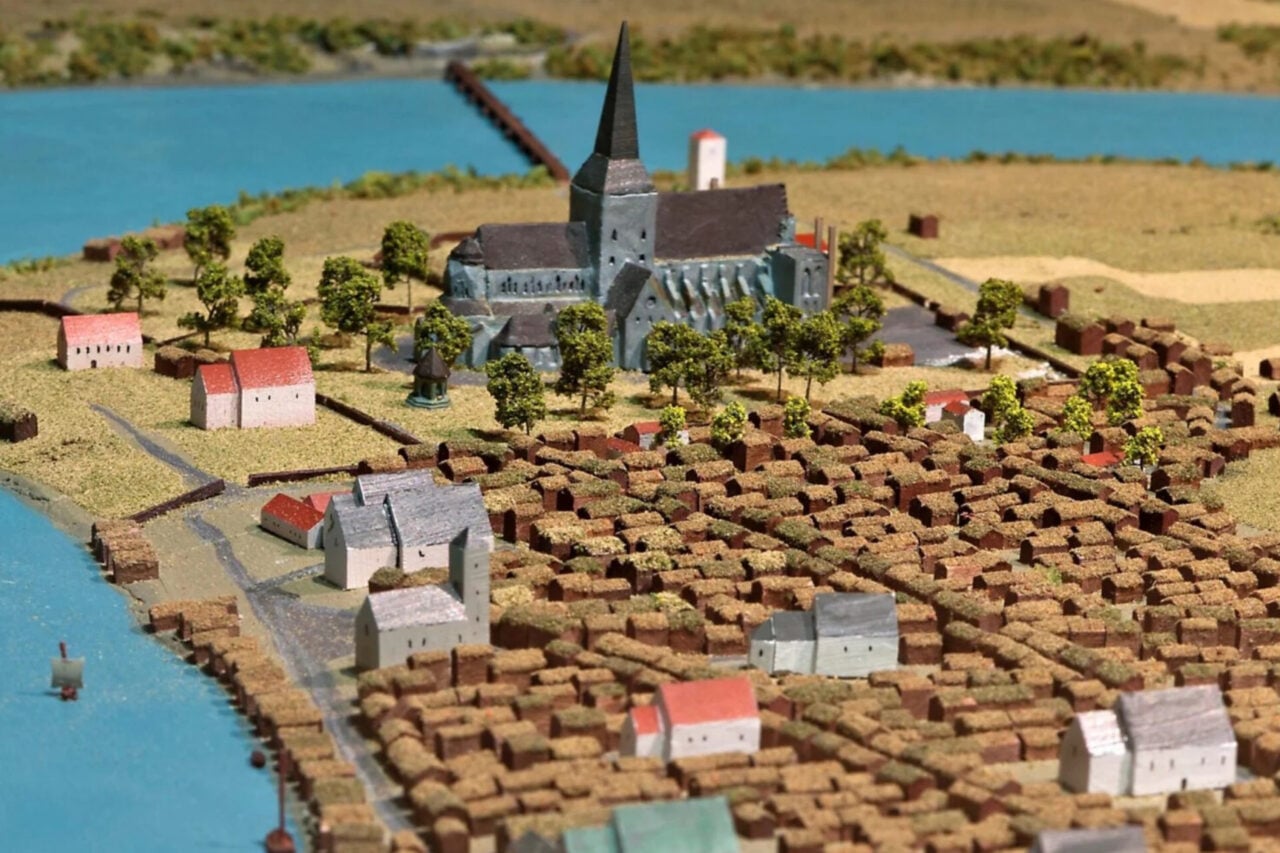
According to investigations of historical latrines almost all of the inhabitants of the Norwegian medieval city of Nidaros were infected.
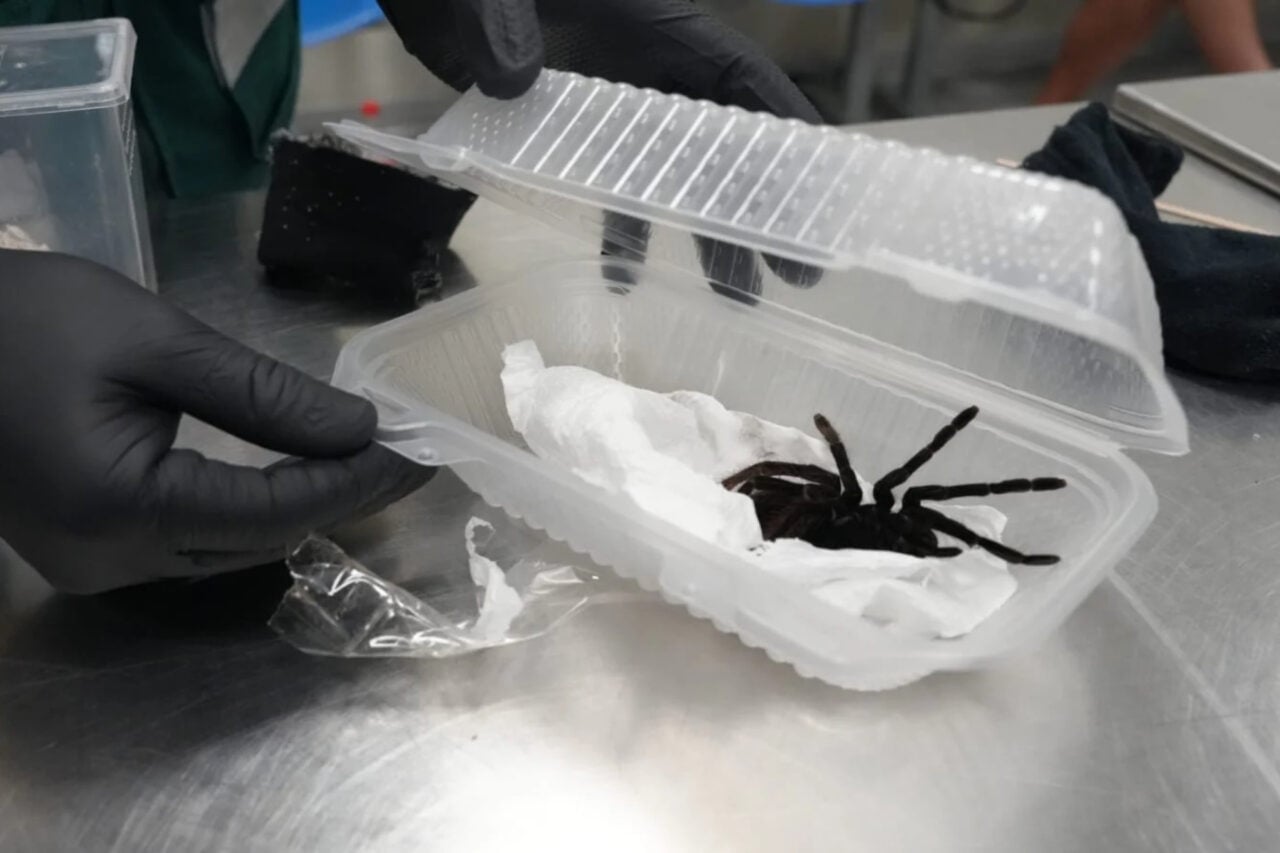
Apparently, one of the three suspects is a famous tarantula researcher.
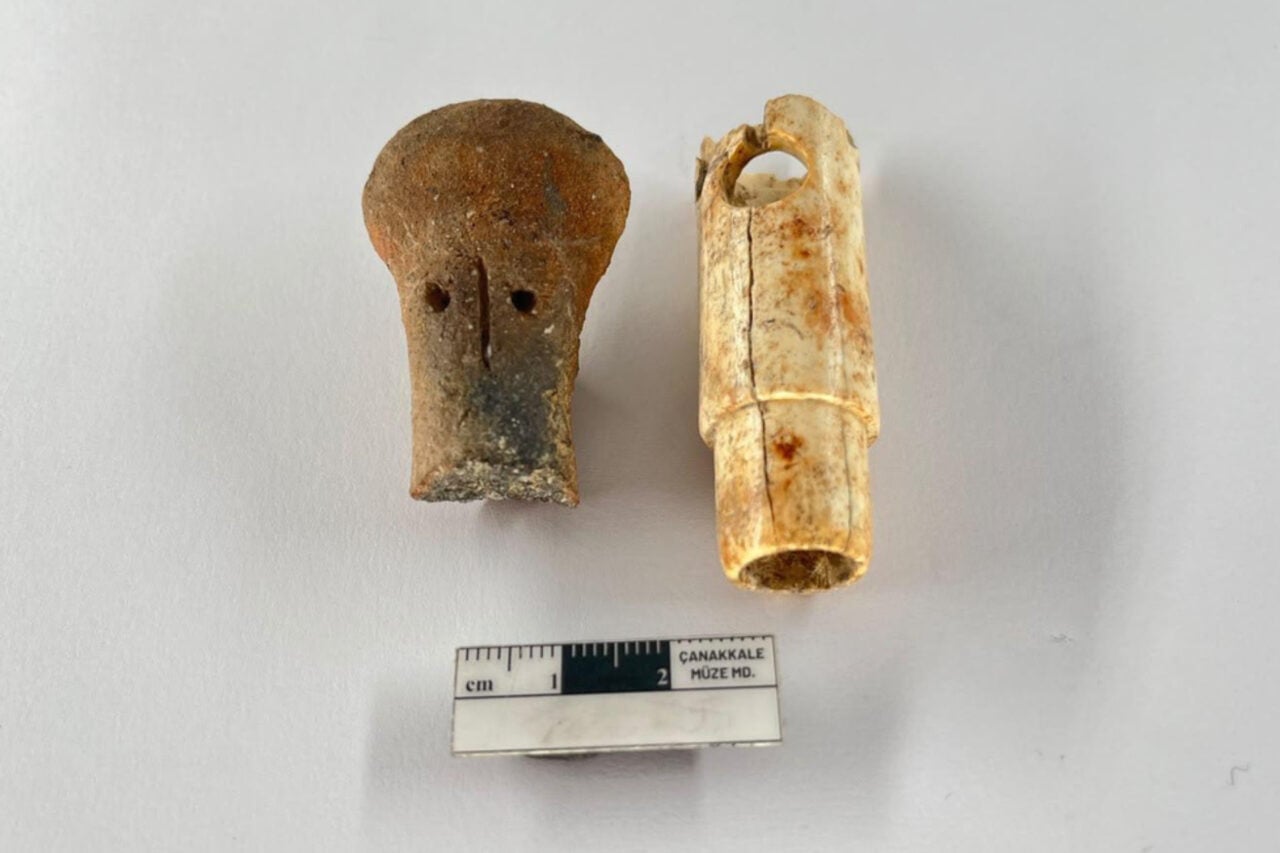
A 4,500-year-old idol head and a 2,700-year-old bone flute fragment would have been used before and after the time period usually associated with the Trojan War.
The 13,800-year-old archaeological site points to an ancient cultural connection spanning the Bering Land Bridge.
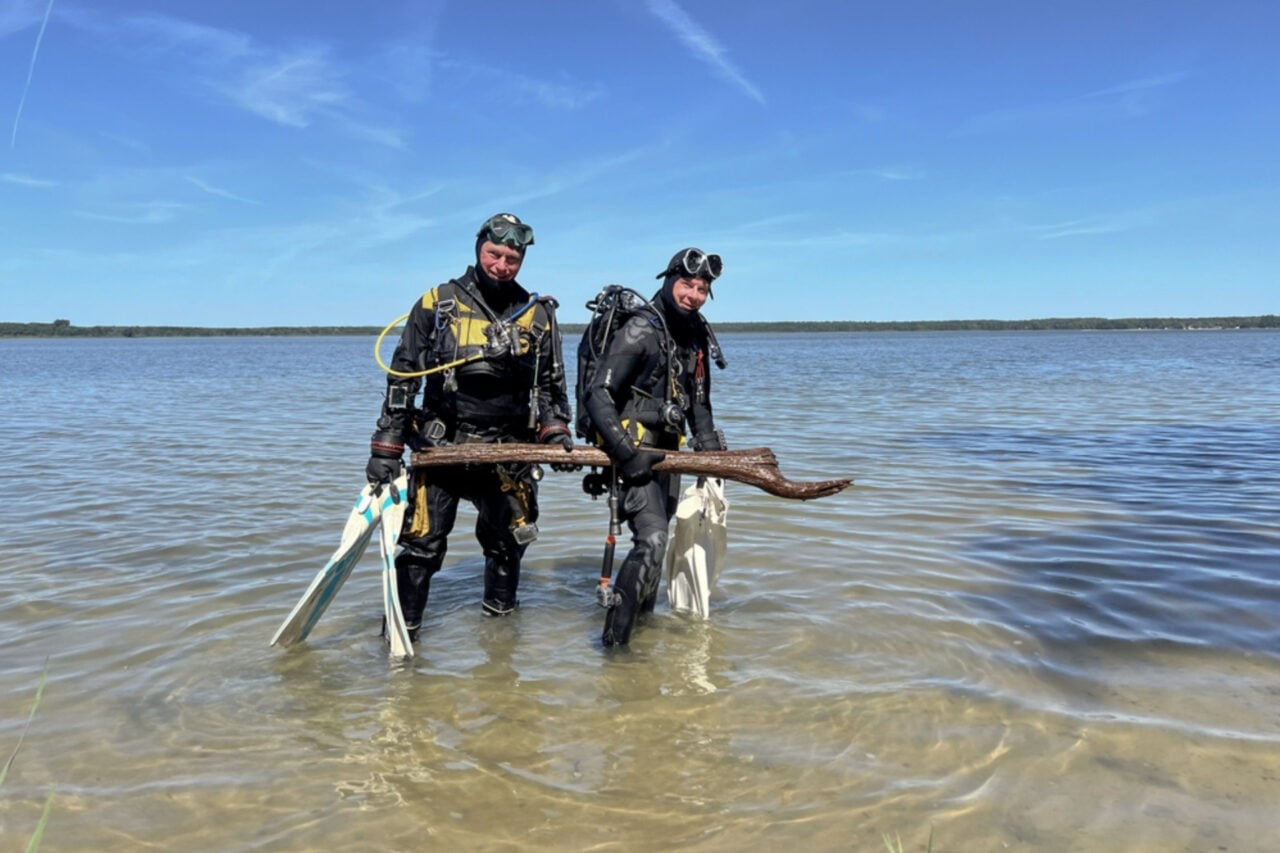
A geologic quirk in a German lake has left Mesolithic remains exquisitely preserved.
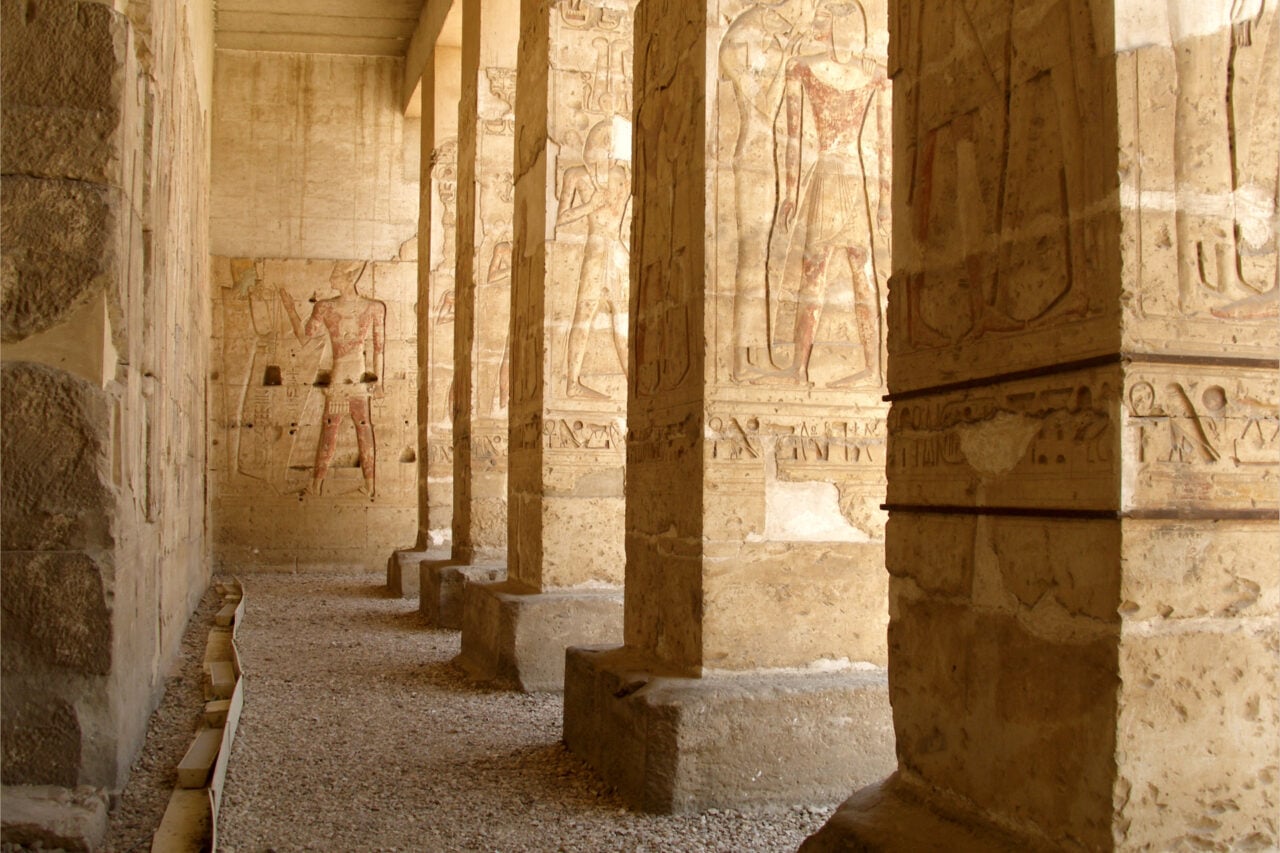
Royal tombs at Abydos were surrounded by numerous other burials. In the 1920s, an Egyptologist questioned whether all those people could have died naturally at the same time.
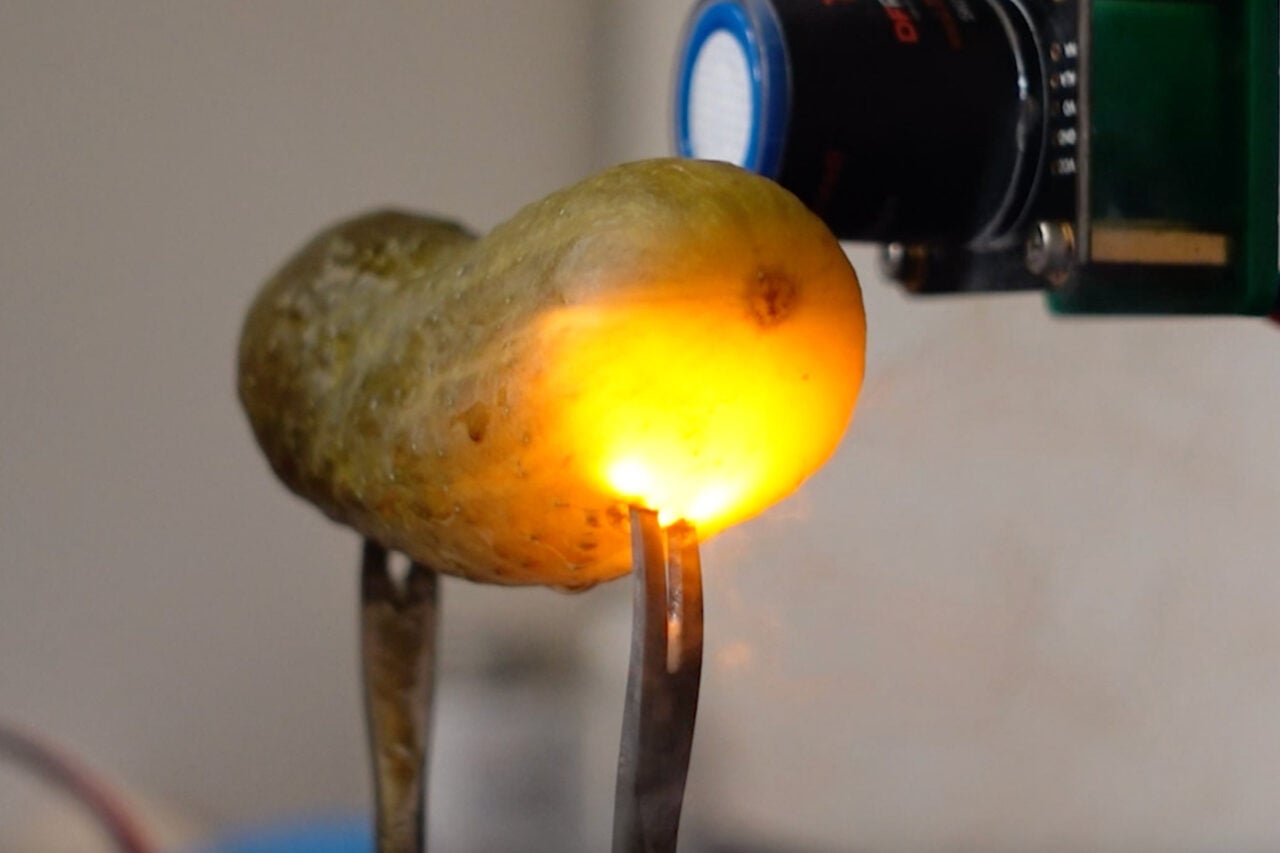
This common science demonstration has been an enduring mystery. Now, this electrical engineer has started to figure it out.
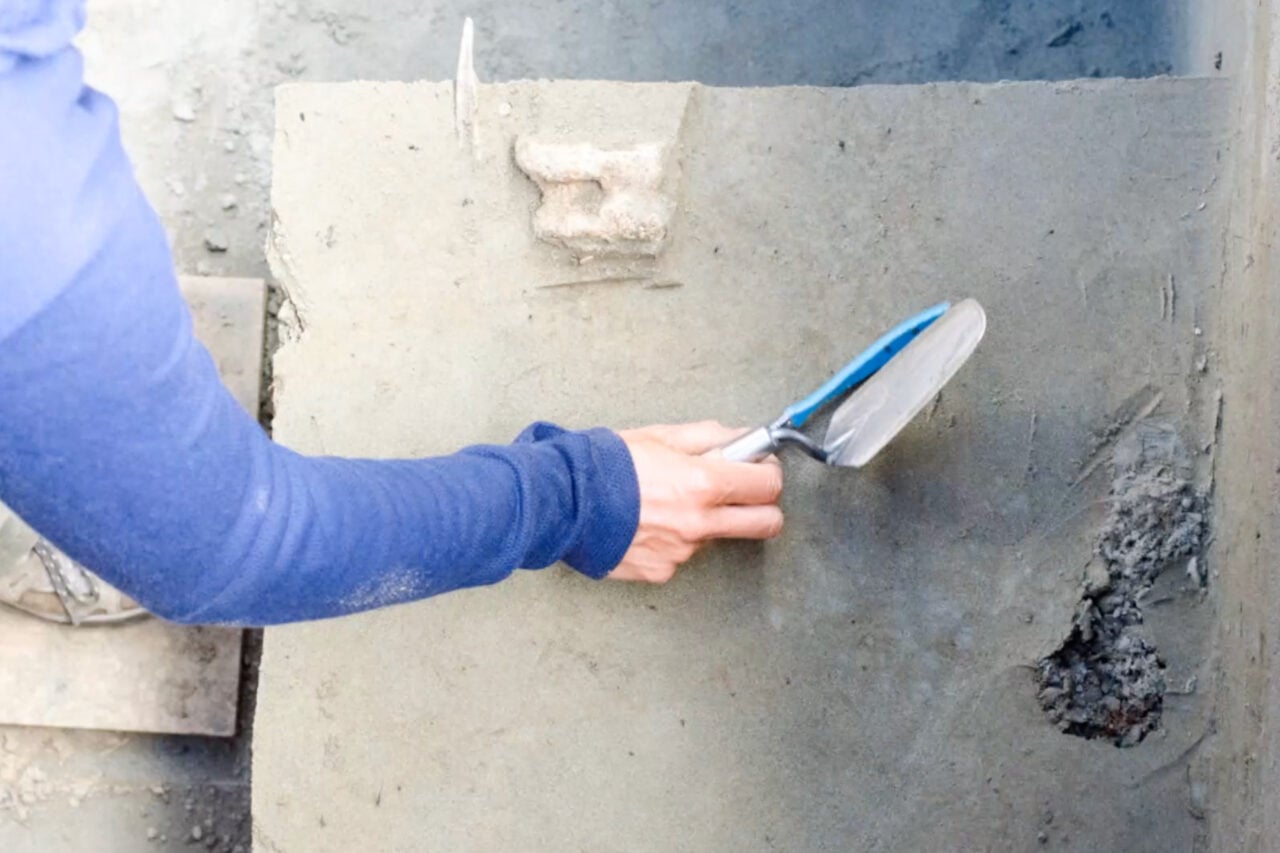
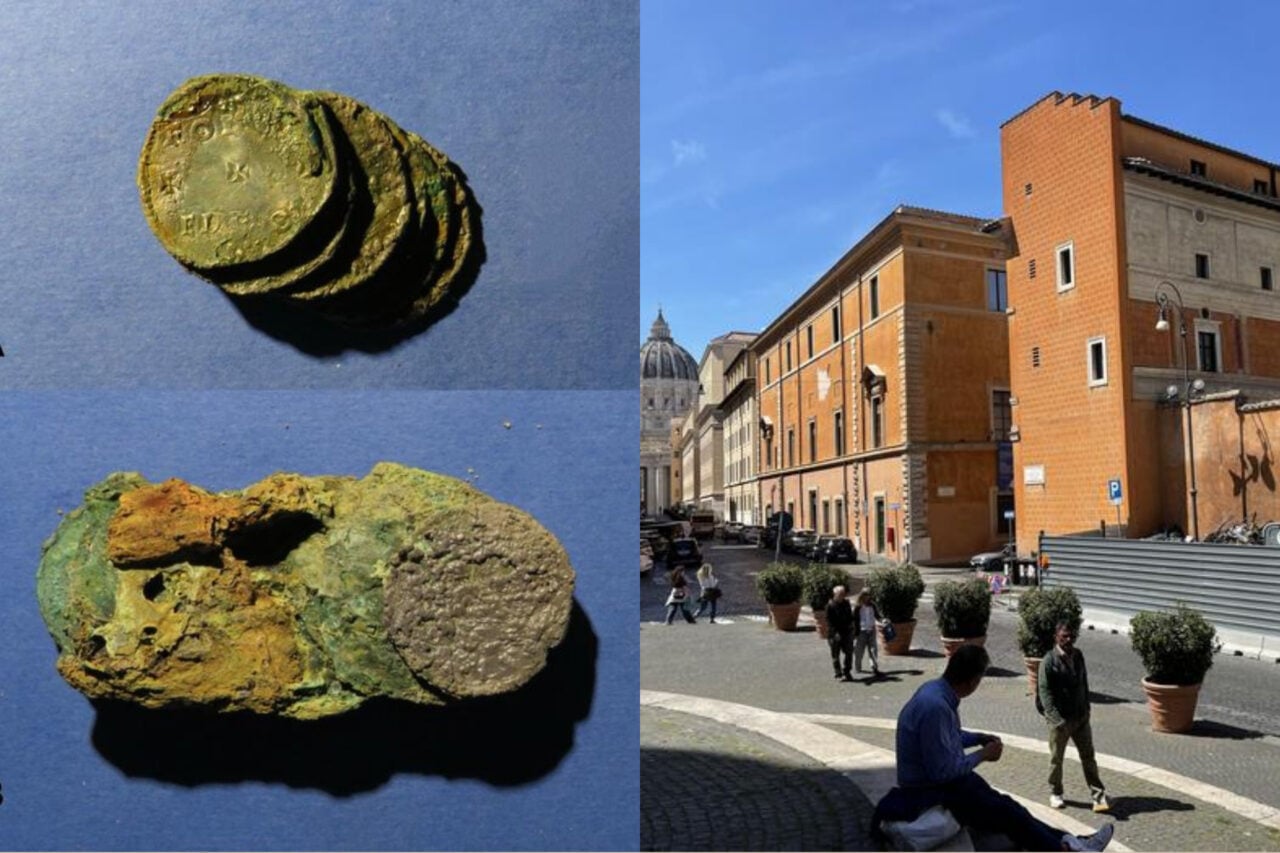
There was a "miniature Anglo-Saxon town" between the Vatican and the Tiber River.
The AI is basically a "weather forecaster for microbes" on cadavers.
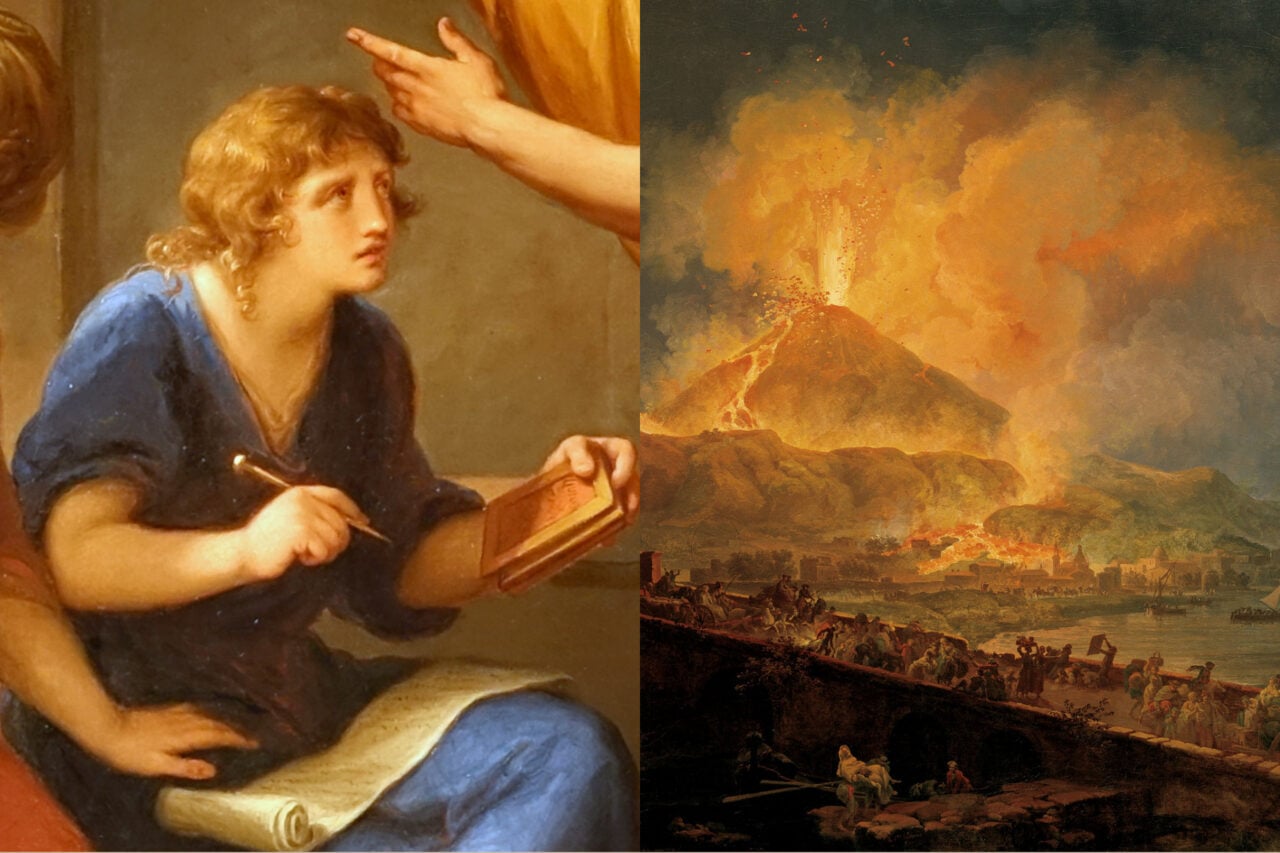
According to Pliny the Younger, Mount Vesuvius erupted on August 24th, 79 CE. That date is now helping geochronologists modify a common mineral dating technique.
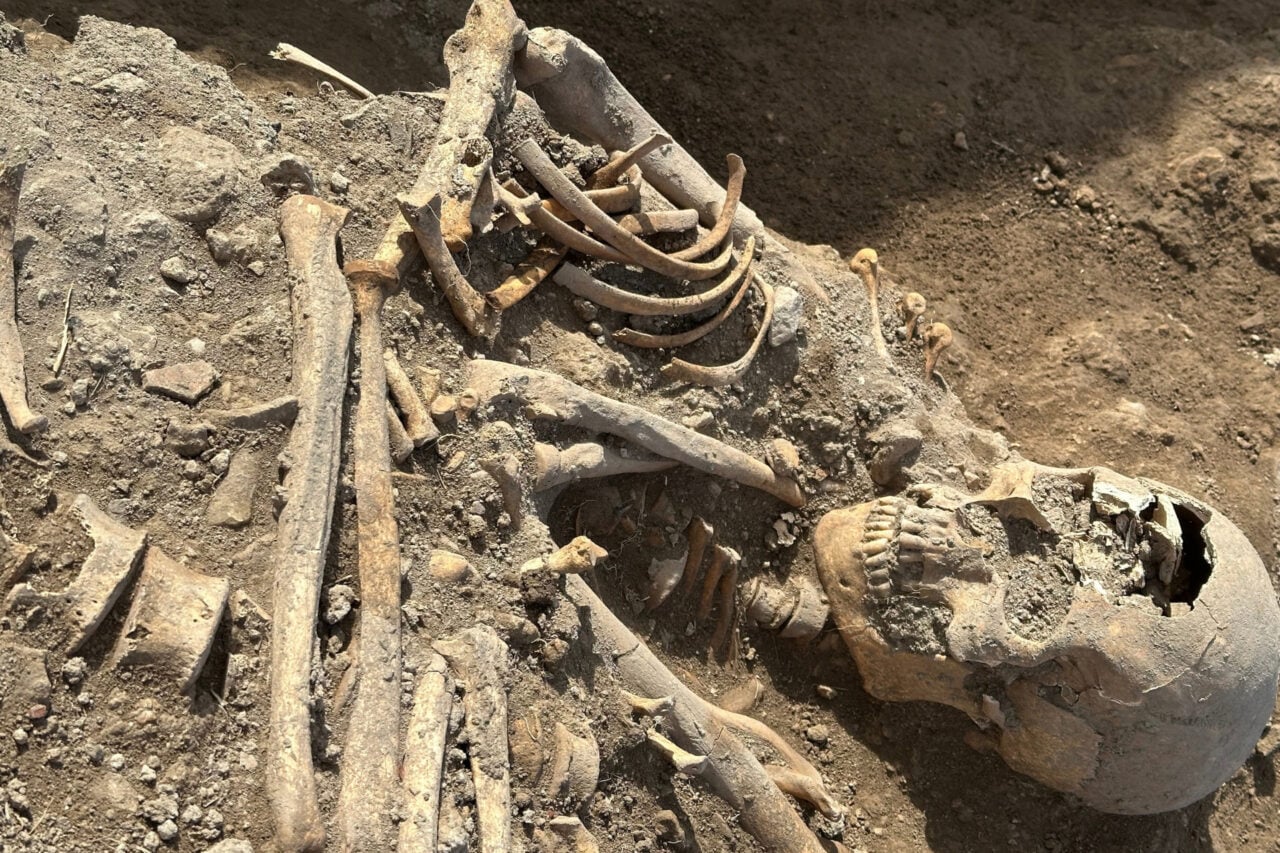
While further analysis is necessary to reveal their identities, 'there must have been a close relationship,' explains archaeologist Giuliano Volpe.